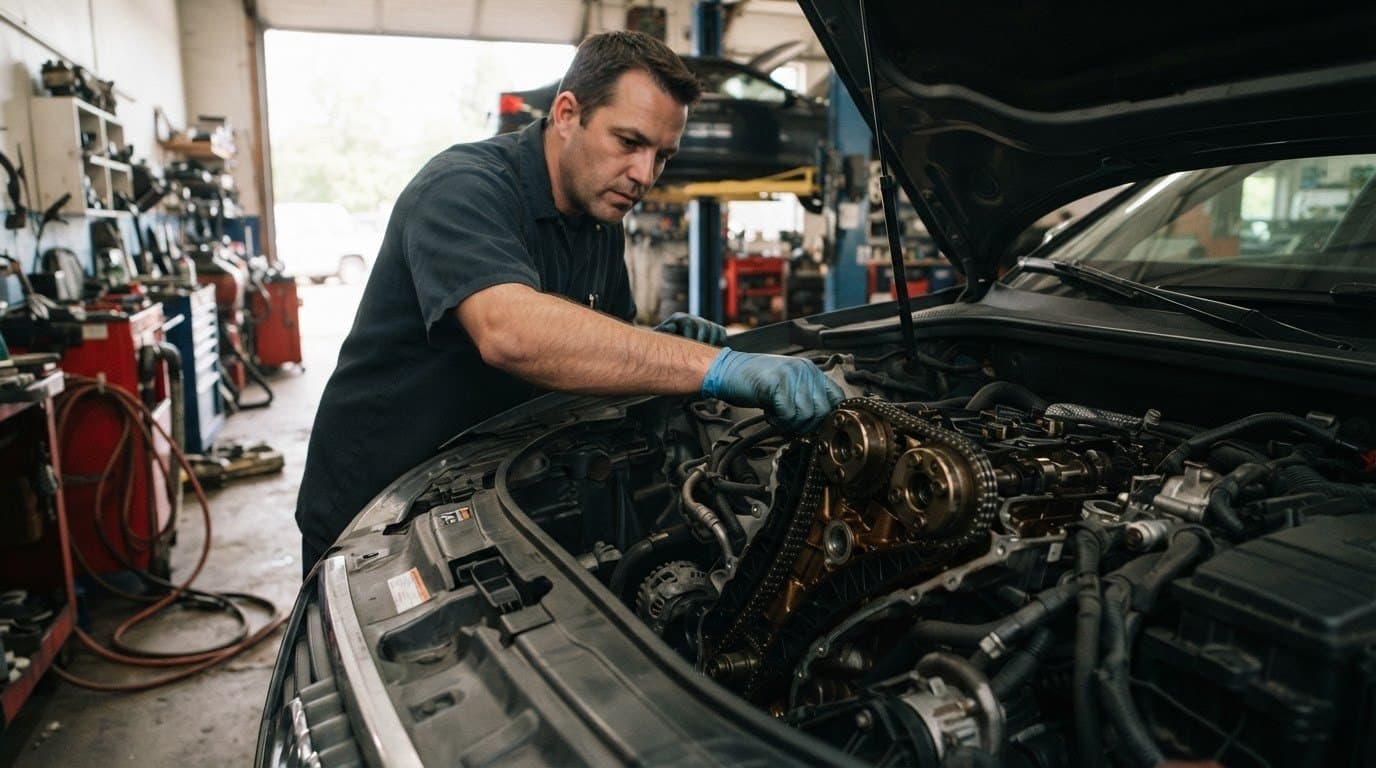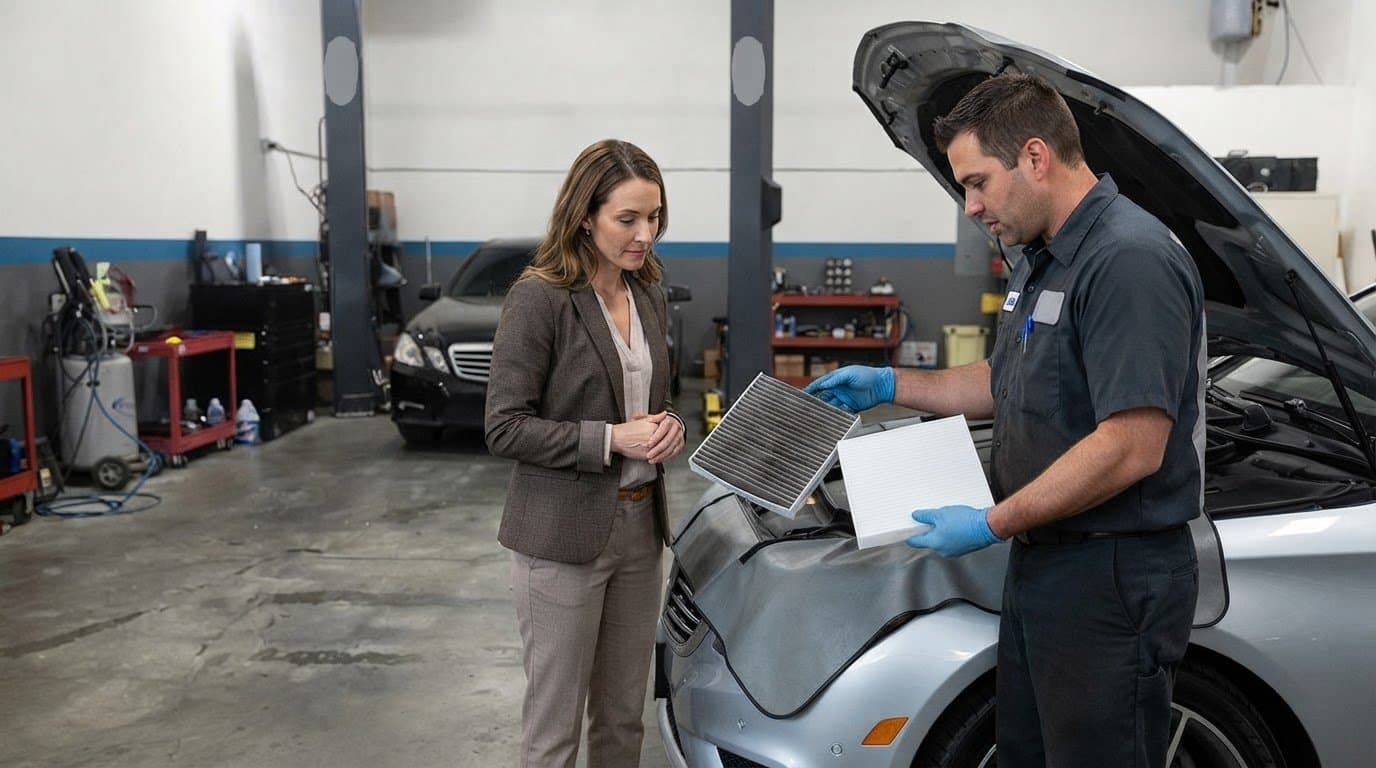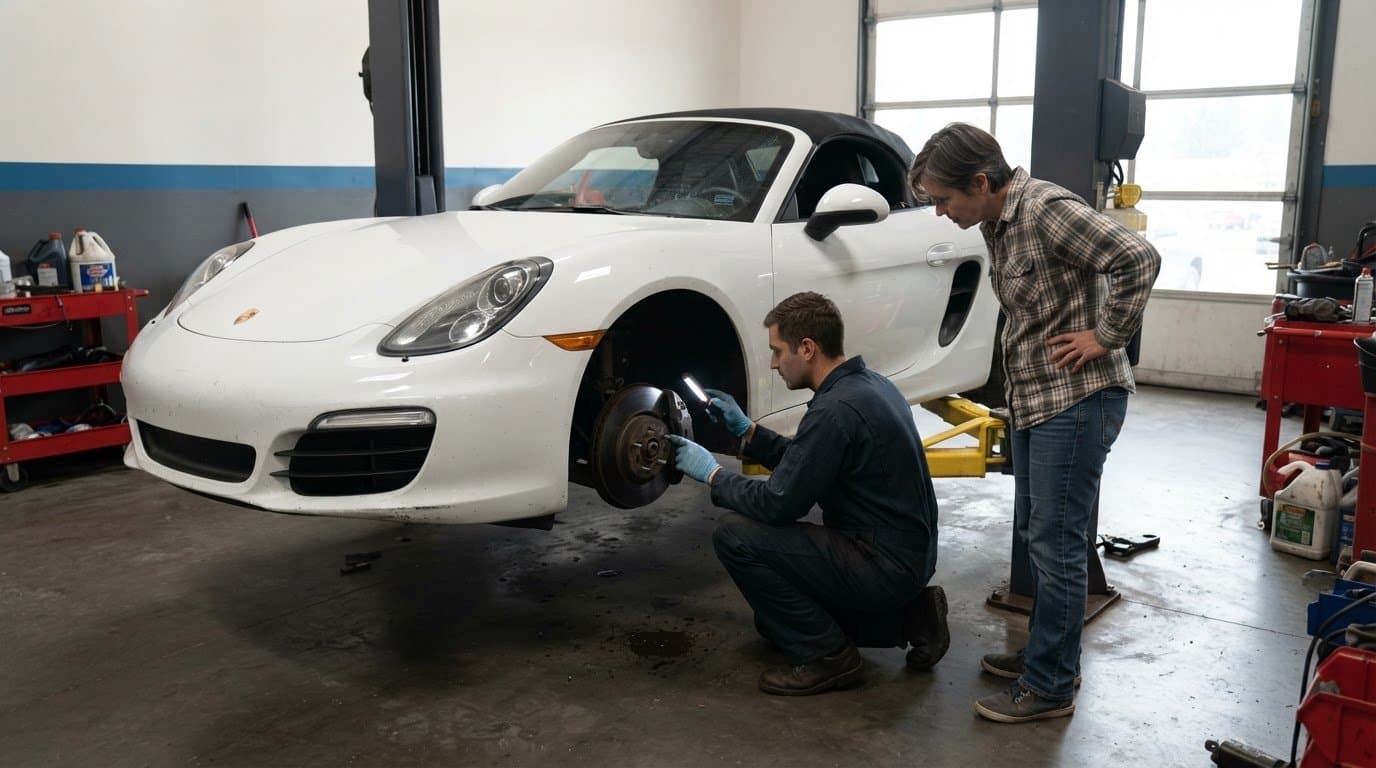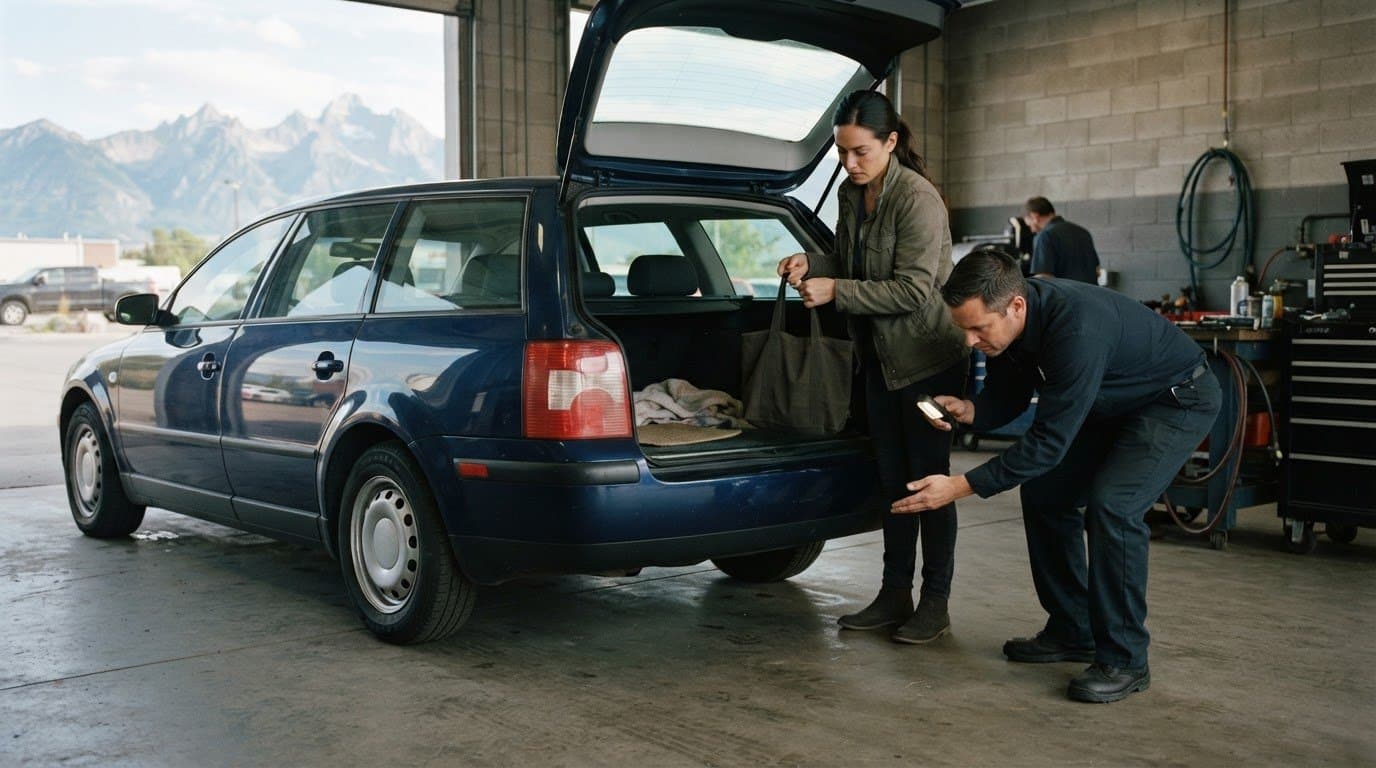
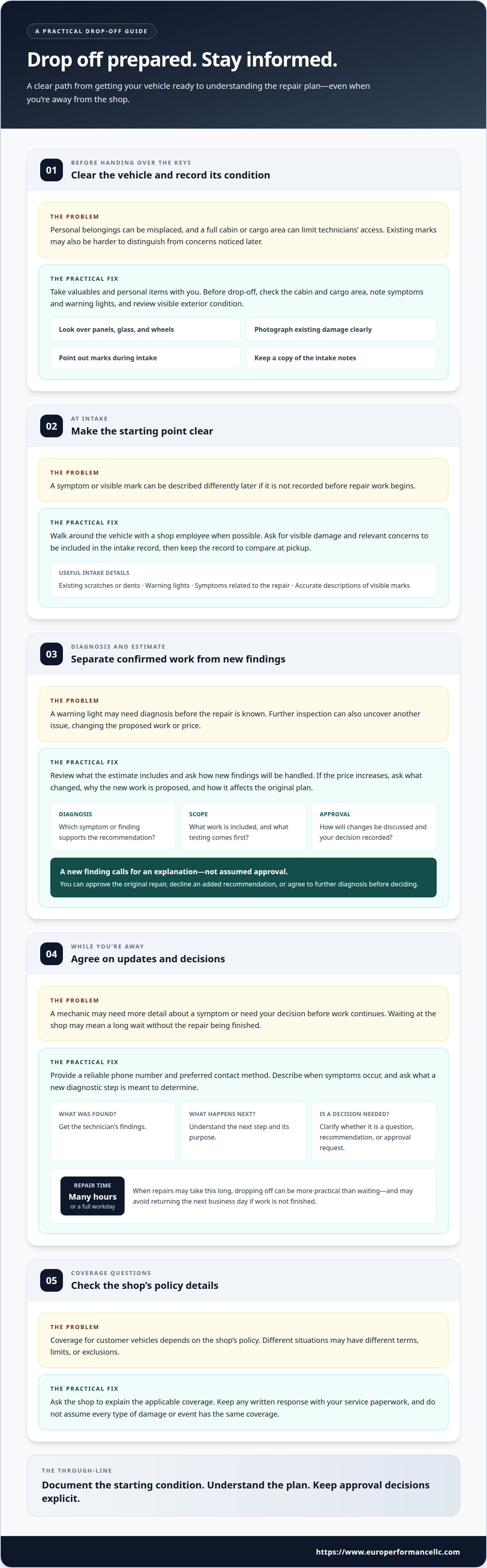
For peace of mind when dropping my car off for service, take personal belongings and valuables with you before handing over the keys. Clearing the cabin and cargo area helps prevent items from being misplaced and gives technicians room to access the vehicle as needed. Leave the car ready for inspection and repair.
It’s understandable to want to stay nearby while your car is in the shop. But repairs can take many hours or a full workday, so dropping off the vehicle may be more practical than waiting and potentially returning the next business day if work isn’t finished.
This guide explains what to remove, what typically happens at intake, how the shop documents the vehicle and develops a repair plan, and how to stay in touch while you’re away. You’ll also learn what to expect if the repair scope or price changes, so you can make informed decisions without staying at the shop.
Key Takeaways
- Clear personal belongings and valuables from the vehicle so they’re protected and technicians can access the areas they need.
- At intake, the shop inspects the vehicle, documents existing damage, and outlines the repair plan and next steps.
- Know what the repair plan includes, and expect communication if the work’s price increases or the mechanic has questions.
- Dropping off your car can be more practical than waiting when repairs may take many hours or a full workday.
Explaining repair steps and building a repair plan
Choose an auto repair shop that explains its diagnosis, proposed work, and estimate before repairs begin. For peace of mind when dropping my car off for service, understand how each recommendation relates to a reported symptom or inspection finding.
The process starts with the concern you describe, such as a warning light, unusual noise, or change in handling. The technician investigates the symptom, records findings, and explains what work may address it. A warning light, for example, may need diagnosis before the shop can identify a repair. The plan should distinguish confirmed work from additional testing that could clarify the cause.
Review what the estimate covers before approving repairs. It should describe the proposed work and make its scope clear. Ask how the shop will handle new findings. For example, a technician might discover a worn component while examining a related system. That finding calls for an explanation of the added work, not an assumption that you’ve already approved it.
- Diagnosis: Which symptom or finding supports the recommendation?
- Repair scope: What work is included, and what testing comes first?
- Approval: How will the shop discuss changes to the plan?
The shop should contact you if the repair price increases. Before deciding, ask why it changed, what new work is proposed, and how the finding affects the original plan. Then you can decide whether to proceed. Another source of peace of mind when dropping my car off for service is knowing that an updated estimate prompts a discussion, not an unspoken change in scope.
Make your approval clear. You might authorize the original repair while declining an additional recommendation, or agree to further diagnosis before choosing a repair. Ask the shop to record your decision so the technician and service team have the same instructions.
A clearly explained plan lets you follow the work from diagnosis to completion. Know the next step, its purpose, and what new findings could change the recommendation. That gives you a practical basis for approving the repair and staying informed while your vehicle is at the shop.
Vehicle inspection and damage documentation at intake
At intake, the shop inspects the vehicle, documents visible damage, explains next steps, and develops a repair plan. If you believe the shop caused damage or performed poor work, keep your intake records and photos, then raise the concern with the shop in writing.
Inspecting and Documenting Vehicle Condition
An intake inspection records the vehicle’s visible condition before repair work begins. The technician can note existing scratches, dents, warning lights, or other visible concerns, then explain what happens next. This record helps distinguish pre-existing damage from a concern noticed after service. If possible, walk around the vehicle with the employee, point out specific marks, and ask for them to be included in the intake notes. Keep a copy to compare at pickup.
Checking a Vehicle Before Drop-Off
A brief pre-drop-off review gives you a record of the vehicle’s condition and belongings. Before handing over the keys, check:
- Exterior panels, glass, wheels, and visible existing damage.
- Dashboard warning lights and symptoms related to the repair.
- Personal items and valuables in the cabin and cargo area.
- Intake notes for accurate descriptions of visible marks.
Photos can help you remember the vehicle’s condition. Capture existing damage clearly, and make sure your description matches the intake record. These steps give you useful details if a question comes up later.
Understanding Shop Coverage for Customer Vehicles
A repair shop’s insurance coverage for customer vehicles depends on the terms of its policy. Coverage details, limits, and exclusions determine which situations may be covered while a vehicle is in the shop. Ask the shop to explain the applicable coverage and keep any written response with your service paperwork. Don’t assume every type of damage or event has the same coverage.
Hidden damage may become apparent only after inspection or diagnostic work. For example, a visible symptom may lead a technician to examine a related component and find another issue that wasn’t apparent at intake. The shop should explain the finding and how it affects the repair plan. Compare the new information with the original notes, and review any revised estimate before authorizing additional work.
For service questions involving a European vehicle, explore the shop’s vehicle service information.
Communication between mechanics and customers
Clear updates keep you involved while your vehicle is at the shop. Agree on how the shop can reach you and what information you need before work continues.
Sharing Updates Between Mechanics and Customers
Communication means exchanging repair questions, findings, and progress updates between the technician and vehicle owner. It matters because a mechanic may contact you while you’re away, and your answers can clarify symptoms or help guide diagnosis. Provide a reliable phone number and your preferred contact method. If the shop asks whether a sound happens during turns, describe when you noticed it and the conditions at the time.
Useful updates explain what the technician found, what happens next, and whether you need to make a decision. If you receive a message about an additional diagnostic step, ask what it is meant to determine. Keep your responses focused on the vehicle’s symptoms and your approval decisions. This creates a clear record and helps distinguish a question from a recommendation or authorization to proceed.
Comparing Dealerships and Independent Mechanics
A dealership service center is connected to a vehicle’s brand, while an independent mechanic operates outside that dealership. The label alone doesn’t tell you how clearly either shop will communicate. Compare the service process: who explains the findings, how updates reach you, and whether recommendations relate to your reported concern. These details help you understand who is handling the work and how decisions will be shared.
For example, if your vehicle has a dashboard warning, focus on whether the shop explains its diagnostic findings in terms you understand. You should be able to distinguish the reported symptom from the technician’s conclusion and proposed next step. Compare the clarity and consistency of the explanations, rather than making assumptions based only on whether the facility is a dealership or independent shop.
Before leaving, agree on a specific communication plan. Provide your preferred contact details, the best time to reach you, and any limits on when you can respond. If the mechanic calls while you’re unavailable, return the message with your vehicle’s make and the concern being discussed. That context helps the team connect your answer to the right repair question.
When an update changes the work plan, ask for a plain-language explanation of the new finding and the decision needed. Clarify whether the technician needs information about a recurring symptom or is proposing additional work. Keep the conversation focused on the finding, the next step, and your approval. These distinctions make it easier to follow the repair while you’re away.
Reasons to drop off a vehicle rather than wait at the shop
Compare local shop reviews on map listings and review platforms, looking for detailed accounts of communication and completed work. Ask about technician certifications and verify credentials with the issuing organization. For complaint records, search your state consumer-protection office’s public resources, noting that available records vary by state.
Waiting can make sense when a repair is expected to take only an hour or two. But shop repairs can take many hours or a full workday, depending on the diagnosis and work involved. Staying onsite for an open-ended repair can leave you waiting without a clear finish time.
Dropping off the vehicle gives the shop room to proceed through diagnosis and repair without requiring you to remain in the waiting area. If the work isn’t finished that day, an owner who waits may need to return the next business day. A drop-off can keep your schedule independent of the repair bay, though you’ll still need to arrange transportation.
Consider the likely complexity of the repair, your available time, and how easily you can get home or to work. A brief maintenance visit may suit a waiting appointment, while a concern that needs troubleshooting can require additional inspection. A drop-off is useful when the repair’s duration depends on what technicians find after the vehicle arrives.
Before leaving, agree on how the shop can reach you and keep your phone accessible. If a mechanic has a question about a symptom, a prompt answer may help clarify the concern. Use your time away from the shop for work or other plans, then respond when the team shares an update or needs a decision.
Choose based on the repair, not an assumption that every visit requires a full day. A short, defined task may suit waiting; uncertain diagnosis or repairs that could span the workday make drop-off more practical. To plan a European vehicle service visit, arrange a service drop-off.
Euro Performance Auto Shop LLC: Specialized European Auto Repair
Euro Performance Auto Shop LLC provides specialized European auto repair for drivers whose vehicles need focused diagnosis, maintenance, or repair. Its ASE certified technicians also handle factory scheduled maintenance, wheel alignment, and ADAS calibration, matching the service to the vehicle’s needs.
Turn to Euro Performance Auto Shop LLC when your European vehicle needs routine care or repair based on its symptoms and inspection findings. Share what you’ve noticed and how the team can reach you to keep the service conversation focused while your vehicle is in the shop.
Contact Euro Performance Auto Shop LLC to discuss your European vehicle’s service needs.
Make Your Next Service Visit Feel More Manageable
Finding peace of mind when dropping your car off for service starts with treating the visit as a clear handoff, not a loss of control. Before you leave, decide what you need to understand before work proceeds and how you’d like the shop to reach you. A short note about the vehicle’s symptoms can keep the conversation focused, especially if the issue happens only under particular conditions.
For your next visit, choose the information that matters most to you: a clear explanation of findings, a chance to discuss changes, or updates at an agreed point in the process. These expectations give you a useful framework for working with the service team while your day continues. If your vehicle needs specialized European care, factory scheduled maintenance, or wheel alignment, contact Euro Performance Auto Shop LLC. A prepared handoff can make the next step feel simpler and more considered.
Frequently Asked Questions
Do I really need to remove everything from my car?
No. Take personal belongings and valuables with you, but fixed vehicle equipment can stay in place. Clear storage spaces such as the glove compartment, console, and cargo area to prevent items from being misplaced and give technicians access to areas needed for service. If something must remain in the car, point it out during handoff and note where it is. Take essential personal items with you.
Dropping Off Your Car: Is It Safe?
A careful handoff makes a service drop-off more controlled. Meet with the service representative, identify the vehicle and keys, and make sure you understand where the vehicle will be left. It is also wise to hand over only a spare vehicle key rather than your entire keychain, which key duplication services like Soxxi Master can provide. Keep any intake paperwork or receipt showing the visit details. Before leaving, confirm how the shop will contact you and which number to use if you have questions while the car is being serviced.
How do I document my car's condition and belongings before service?
Take clear photos before handing over the keys, including wide views of each side and close-ups of existing marks. Photograph the dashboard if a warning light or message relates to your concern. Make a short written inventory of items left in the car, then compare it with the intake record. Keep the photos and paperwork together so you can refer to them after pickup.
What should a repair estimate and authorization form include?
Ask for a written estimate that identifies the diagnosis, proposed work, parts and labor, and estimated total. The authorization should make clear which work you’re approving and how the shop will handle additional findings. Review any limits or instructions before signing. Keep your copy and compare it with later updates to distinguish the original plan from any revised recommendation.
Can an auto shop perform extra repairs without my approval?
Don’t treat approval for one repair as approval for every additional job. Tell the shop which work you authorize and ask to be contacted before the plan expands. If a technician identifies another issue, request an explanation of the finding and proposed work before agreeing. Be clear in your response, especially if you approve one item but decline another.
How can I protect my personal information and valuables in my car?
Take valuables, mail, access cards, and personal papers with you before leaving the vehicle. Remove paired devices or stored personal information if you don’t want it accessible during service. If your car has a camera or monitoring system, such as equipment installed by Safe & Sound Mobile, turn it off or use valet mode when available. Check the cabin and storage compartments once more before handing over the keys.