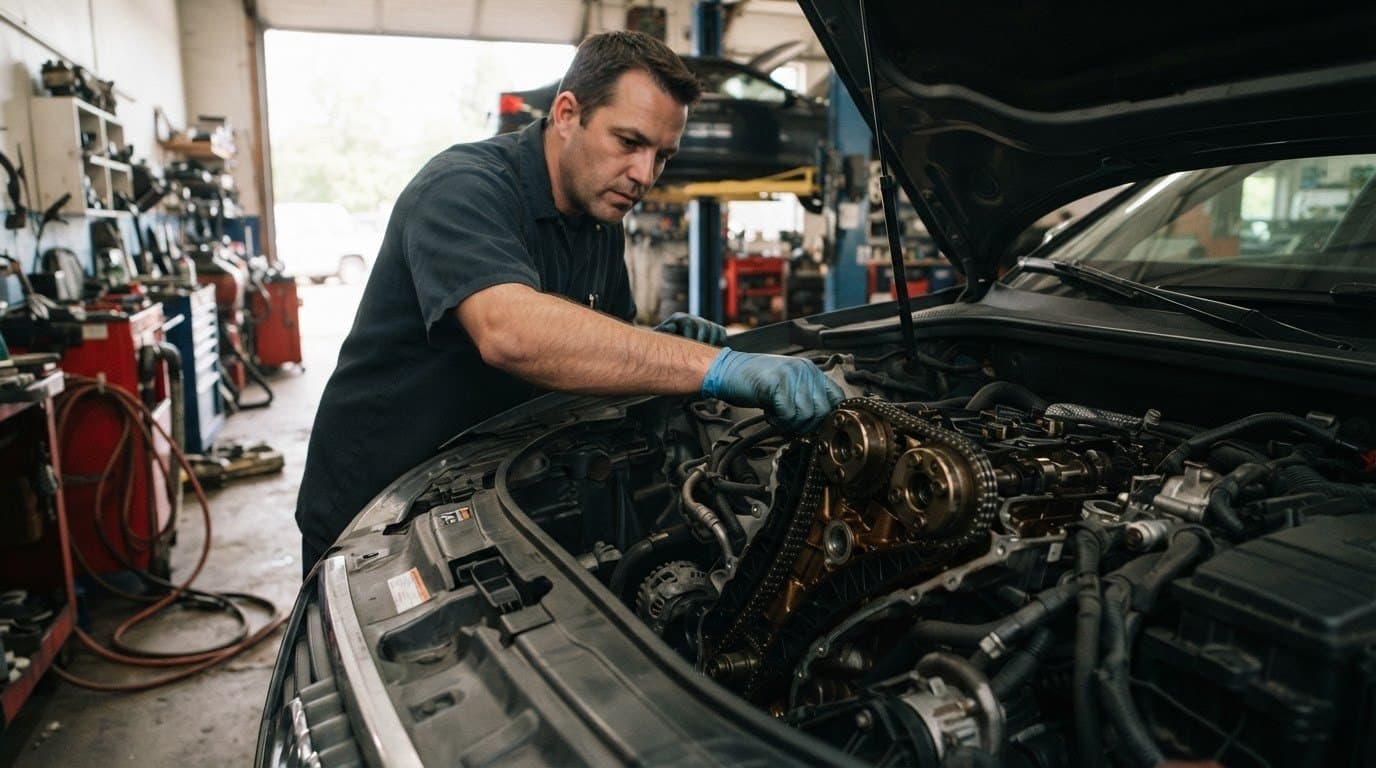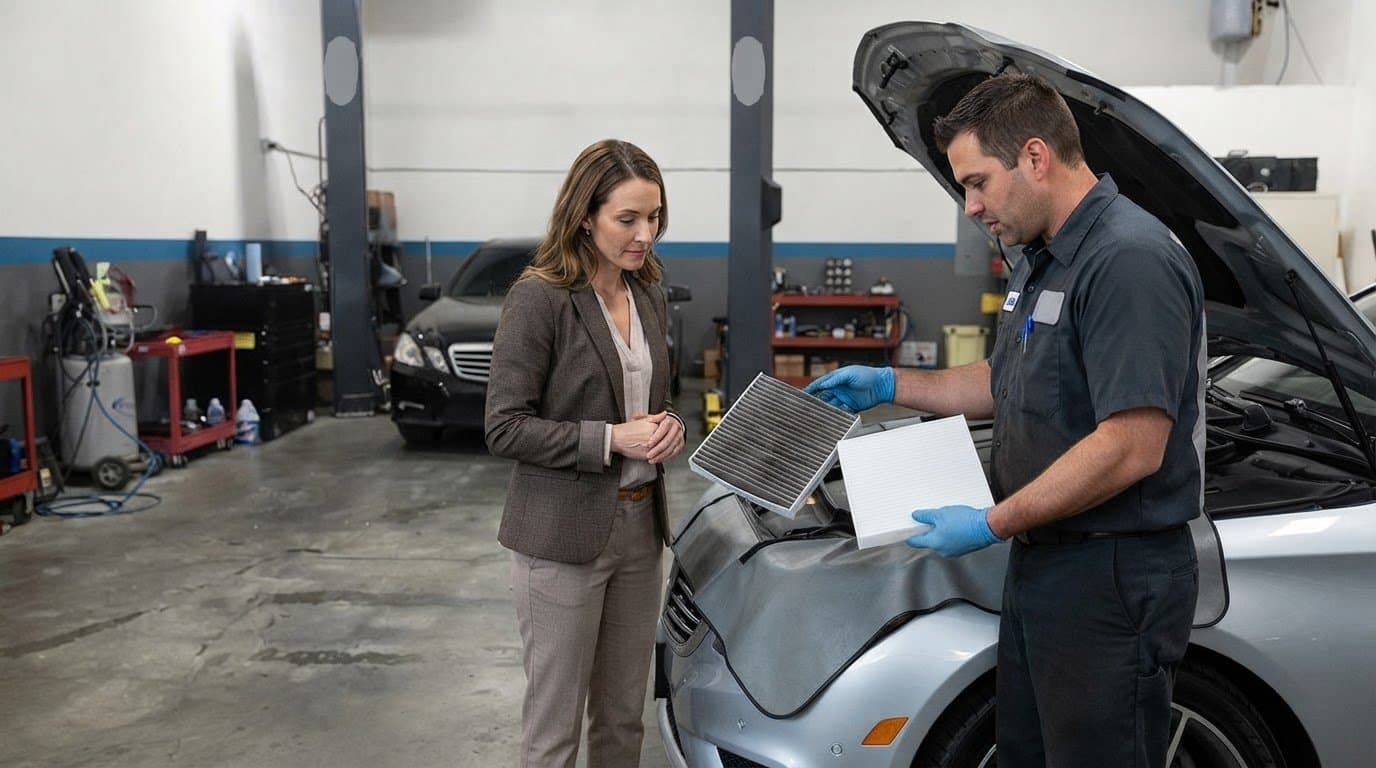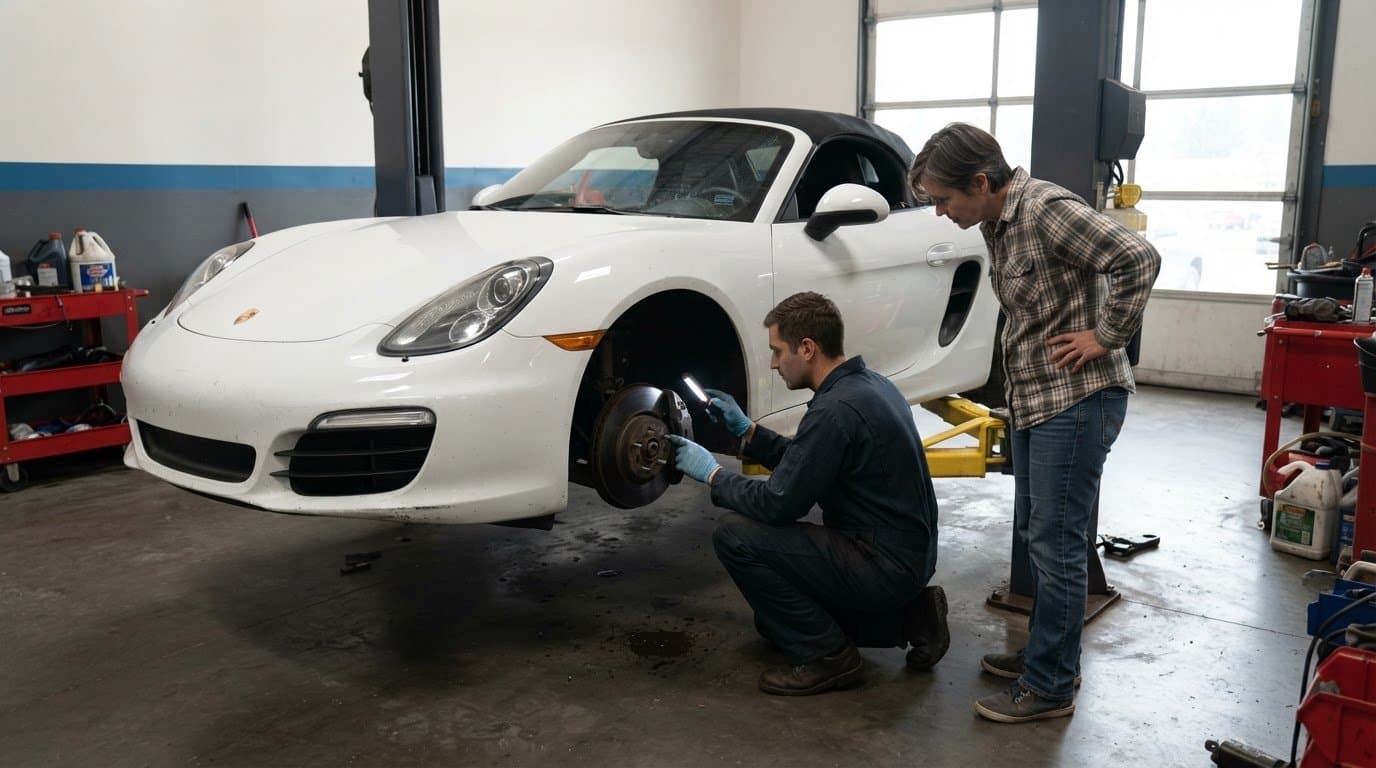
The repair that makes a Porsche easier to sell may not pay for itself. To decide what repairs are worth making before selling my Porsche, compare its realistic as-is value with its likely sale value after repairs, minus the repair cost. If a repair costs about half or more of the car’s value, consider selling as-is, especially if other major work may also be due.
It’s natural to want your Porsche to show at its best, but a long repair list doesn’t mean every item should be fixed before a sale. A clear appraisal, maintenance records, and an honest assessment of the car’s age, mileage, and repair history can help you separate worthwhile work from costs you may not recoup.
This guide explains how to weigh repair decisions, when to appraise first, and what low-cost preparation can help present the car clearly. Use the practical comparisons to decide whether to repair, sell as-is, or take another step.
Key Takeaways
- Compare the likely sale value after a repair, minus its cost, with the Porsche’s realistic as-is value before approving major work.
- Use maintenance and repair records to show what has been completed, and prepare the car with straightforward cleaning and organization.
- Weigh age, mileage, and repair history together; a single mileage figure doesn’t determine whether a Porsche is worth repairing.
- For warning lights or mechanical concerns, understand the issue before choosing a repair or an as-is sale; specialized European auto repair can help clarify the vehicle’s condition.
Does Maintenance History Increase Car Value?
Maintenance records can support a Porsche’s resale value by documenting completed work, but repairs don’t guarantee a sale-price increase greater than their cost. Deciding what repairs are worth making before selling my Porsche starts with comparing the estimate against its realistic as-is value and likely sale proceeds after repairs.
Repairs that resolve documented mechanical or safety concerns can make a Porsche easier to assess and sell. For a 911, Boxster, Cayman, Macan, Cayenne, or Panamera, the model, condition, and required work all affect the decision. No single repair or maintenance price applies across these vehicles.
Repair Costs Versus Market Value
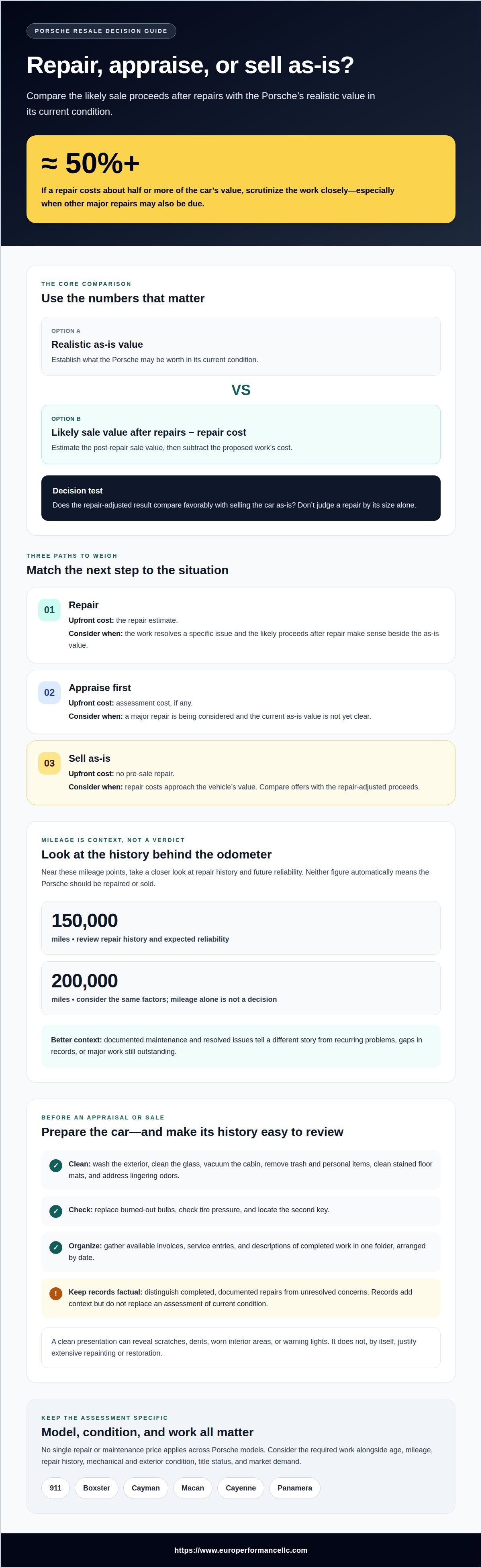
Establish a realistic as-is value, then estimate the likely sale value after the proposed work. Subtract the repair cost and compare the result with the as-is option. A repair costing about half or more of the car’s value deserves close scrutiny, especially if other major work may follow.
| Option | Upfront cost | Value comparison | Best fit |
|---|---|---|---|
| Repair | Repair estimate | Expected sale proceeds after repair, minus cost | Work resolves a specific issue |
| Appraise first | Assessment cost, if any | Establishes current as-is value | Major repair is being considered |
| Sell as-is | No pre-sale repair | Compare offers with repair-adjusted proceeds | Repair cost approaches vehicle value |
Compare likely proceeds after repairs with the Porsche’s as-is value. Don’t judge a repair by its size alone.
Maintenance History and Resale Value
Organized maintenance and repair records give an appraiser context about completed work. They can show whether a concern is new or part of a documented repair history, helping distinguish the car’s current condition from an incomplete account.
Records don’t prove a repair will return its cost at sale. Consider them alongside mileage, model year, trim, equipment, mechanical and exterior condition, title status, and market demand. Maintenance and repair costs vary by Porsche model, required work, parts, and repair scope. To decide what repairs are worth making before selling my Porsche, compare an itemized estimate with the car’s value before approving work.
Cleaning the vehicle and organizing maintenance records
A clean Porsche and orderly service file make its condition easier to assess. Before an appraisal or sale, prepare the cabin, exterior, and records so visible condition and completed work are easy to review.
Start with low-cost preparation. Wash the exterior, vacuum the interior, clean stained floor mats, remove trash and odors, and replace burned-out bulbs. These steps improve presentation without committing to extensive cosmetic work. Check tire pressure and locate the second key, practical details a prospective buyer may notice; if you are missing a spare, mobile key services such as alphaautolocks.co.uk can assist with replacement car keys and programming to complete your handover set.
- Wash the body and clean the glass to make existing exterior marks easier to see.
- Vacuum the cabin, remove personal items and trash, and clean stained floor mats.
- Address lingering odors and replace burned-out bulbs.
- Check tire pressure and gather the second key.
Gather maintenance and repair records in one folder. Include available invoices, service entries, and descriptions of completed work. Arrange them by date so an appraiser can follow the Porsche’s documented history rather than guess what may have been done. Records provide useful context, but they don’t replace an assessment of current mechanical and exterior condition.
Keep the file factual. A dated invoice for a completed repair is more useful than a vague note that a problem was “handled.” If a record describes an unresolved concern, keep it with the file rather than presenting the issue as repaired. This distinguishes documented work from repairs that may still need attention.
Cleaning can reveal scratches, dents, worn interior areas, or warning lights that need separate consideration. A tidy presentation doesn’t justify extensive repainting or restoration by itself. Pair the clean vehicle with its records, then assess whether any visible or mechanical issue changes the sale decision. For a Porsche-specific review of maintenance needs, consider organizing your Porsche’s maintenance needs alongside its service history.
Considering the vehicle's age, mileage, and repair history
A Porsche’s model year and odometer reading provide context, not a standalone repair decision. Consider them alongside completed work, recurring faults, and the vehicle’s expected future use. A repair may make sense if it supports several more years of reliable driving. If you’re selling now, weigh that future benefit against the likely sale value instead.
Mileage is one signal, not a verdict. A Porsche nearing 150,000 miles or 200,000 miles warrants closer consideration of its repair history and future reliability. Those figures don’t automatically mean the vehicle should be sold or repaired. A well-documented maintenance record and a history of resolved issues tell a different story from repeated problems or major work still outstanding.
Use this sequence to assess the car’s history:
- Review the service timeline and note work completed at each mileage interval.
- Separate recurring issues from isolated repairs, using invoices and repair descriptions.
- List unresolved concerns and consider whether they affect dependable driving.
- Compare the proposed work with the Porsche’s current condition and likely next use.
Age matters because a newer Porsche and a higher-mileage older model can have different ownership histories. But age alone doesn’t show whether maintenance was consistent. For example, a Porsche with documented repairs may be easier to evaluate than one with gaps in its service record, even at similar mileage. Use records to establish what has been addressed and what remains uncertain.
Consider the pattern, not just the latest estimate. If several costly repairs have accumulated, assess them together rather than treating each as an isolated decision. If one repair resolves a known problem and the Porsche is otherwise dependable, keeping it may serve a different goal than selling now. For a sale, consider the car’s age, mileage, repair pattern, and likely reliability as a whole.
Selling a vehicle that needs repairs
A Porsche with an unresolved problem can still be sold, but start with a diagnosis and a clear comparison. A buyer may be able to address an issue for less than it would cost you, so an estimate alone doesn’t determine whether pre-sale work makes financial sense.
Disclosure rules vary across the United States, and requirements can depend on the transaction. Describe known defects accurately and review the rules that apply in your state before completing the sale.
Start with symptoms that affect safety or operation. Grinding brakes, brake vibration, damaged rotors, warning lights, or poor braking performance can affect an appraisal. Don’t ignore concerns involving brakes, tires, steering components, or timing belts. Diagnose safety-related problems promptly, then compare the estimate with the Porsche’s current value before approving major work solely for resale.
A check-engine light also needs diagnosis before you decide. The cause could be a small sensor issue or a more expensive mechanical problem, and knowing which changes the repair-versus-sale calculation. For cosmetic issues, such as a minor dent or worn interior, compare the cost and effort with the likely effect on presentation. Approach full-panel repainting, bumper replacement, wheel refinishing, windshield replacement, or major interior restoration cautiously.
Use this decision sequence:
- Identify the symptom and obtain a clear diagnosis.
- Compare the repair estimate with the Porsche’s as-is value and likely proceeds after repair.
- Consider whether a buyer could resolve the issue for less.
- Decide whether to repair, appraise first, or disclose the issue and sell as-is.
A repair that restores dependable operation may be worthwhile when the Porsche is otherwise sound. If the repair approaches half the vehicle’s value, or other major work may follow, selling as-is deserves serious consideration. For unresolved mechanical concerns, request a Porsche repair assessment before choosing your next step.
Euro Performance Auto Shop: Specialized European Auto Repair
Euro Performance Auto Shop LLC provides specialized European auto repair for Porsche owners weighing repairs before a sale. A technician can assess mechanical concerns and clarify which work addresses the vehicle’s condition, helping you make an informed repair-or-as-is decision.
Factory Scheduled Maintenance and Routine Maintenance can address service needs based on the vehicle’s maintenance history. If handling or alignment concerns affect your decision, Euro Performance also provides Wheel Alignment. The right next step depends on the issue and your plans for the car.
Contact Euro Performance Auto Shop LLC to discuss your Porsche’s repair or maintenance needs.
Make Your Next Decision With a Clear Plan
Before authorizing work, decide what matters most: preparing the Porsche for sale, keeping it dependable for continued driving, or avoiding further repair commitments. That objective gives each estimate practical context and helps prevent pre-sale work from expanding without a clear reason. If diagnosis reveals additional work, pause and reassess your plan rather than treating the original estimate as the whole decision.
That’s the most useful way to approach what repairs are worth making before selling your Porsche: connect the proposed work to your next step, then choose deliberately. A focused evaluation can clarify the mechanical issue and the maintenance needed for your plans.
Euro Performance Auto Shop LLC can help with Porsche repair and maintenance needs, including alignment concerns. Contact Euro Performance Auto Shop LLC to discuss the next step for your vehicle. With a clear objective and a considered repair plan, you can move forward with confidence.
Frequently Asked Questions
Repair It, Appraise It First, or Sell It As-Is?
Appraise first if the repair is substantial or the Porsche’s condition is difficult to assess. For a straightforward, well-defined repair, compare its likely effect on sale proceeds with the cost. Selling as-is may be reasonable when the work is extensive or the car has several unresolved issues; if the vehicle is not road-ready, utilizing professional prestige car transport ensures it reaches a buyer or assessment facility without risking further wear. Keep the diagnosis and estimate available so you can explain the vehicle’s condition clearly.
Should I fix a check engine light before selling?
Diagnose the check-engine light before deciding whether to repair the Porsche. Causes can range from a sensor issue to a more extensive mechanical concern, and the diagnosis changes the decision. If the light is flashing, DO NOT TO DRIVE the vehicle; towing is recommended. Keep the diagnostic findings with the car’s records, whether you complete the repair or sell it as-is.
Should I replace the tires before selling?
Replace tires only after comparing their condition and replacement cost with the Porsche’s current value. If tire wear affects safe operation, treat it as more than a cosmetic detail. If replacement would be a large expense relative to the car’s value, factor that into an as-is decision. Don’t assume new tires will increase the sale price by their full cost.
Should I Fix Bodywork Before Trading In My Car?
Minor cosmetic corrections may be worthwhile if the cost stays modest, but extensive bodywork calls for a financial comparison. A small visible blemish, for example, is different from a full-panel repaint or significant collision work. Consider the vehicle’s overall condition and whether the repair would meaningfully improve its presentation. Weigh a large cosmetic project against the likely sale outcome before committing.
Should I Fix Bumper Damage Before Selling?
Assess the damage before deciding. A superficial scuff differs from a loose bumper, a broken attachment, or damage that affects vehicle operation. Minor cosmetic flaws may not need repair before a sale, while extensive replacement work deserves a careful cost comparison. Record the issue accurately and include it in your decision to repair or offer the Porsche as-is.
Should I Fix Dents Before Selling My Car?
Small dents may be acceptable as-is if fixing them would cost more than the value they add. Extensive dent removal or repainting calls for a closer comparison with the vehicle’s likely sale value. Consider the dent’s visibility, the surrounding paint condition, and the Porsche’s overall presentation. A clean, documented car can still be assessed with minor cosmetic wear left untouched.