
Blog
Home » What to Look for When Buying a Used VW: The Ultimate Inspection Checklist
What to Look for When Buying a Used VW: The Ultimate Inspection Checklist
- Vadim Godonoaga
- April 9, 2026
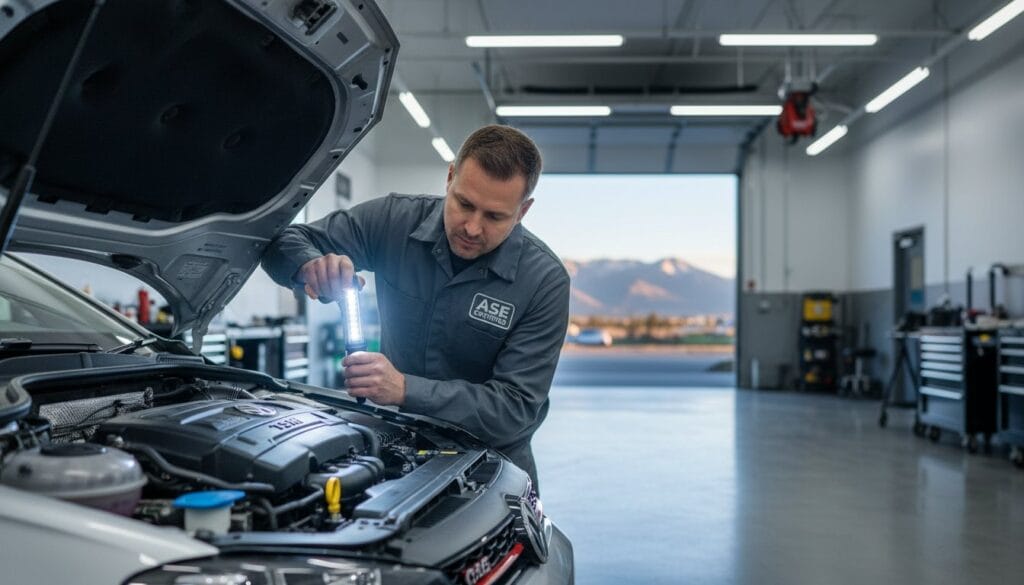
What to Look for When Buying a Used VW: The Ultimate Inspection Checklist
We understand that the complexity of German engineering can feel intimidating, especially when you’re worried about hidden DSG transmission slips or carbon buildup in TSI engines. Our ASE certified technicians have spent years mastering these specific platforms, and we believe every buyer deserves that same level of technical clarity. This article provides a comprehensive inspection checklist and a structured test drive guide to ensure your next vehicle meets OE standards. You’ll learn how to evaluate high-mileage maintenance records and identify the exact moment you should walk away from a deal.
Key Takeaways
- Understand the critical distinction between a “reliable” VW and a “well-maintained” one to navigate the unique engineering requirements of European vehicles.
- Learn exactly what to look for when buying a used vw, including specific warning signs like timing chain tensioner failure and engine carbon buildup.
- Discover how to spot hidden quirks like sunroof drain clogs and electronic malfunctions that often lead to costly interior damage.
- Identify how Montana winters in Belgrade and Bozeman impact critical components, from battery longevity to salt-induced undercarriage corrosion.
- See why a pre-purchase inspection by ASE-certified technicians is a non-negotiable step that can save you thousands in immediate repair costs.
The Volkswagen Pre-Owned Landscape: Why Inspection Matters in 2026
Buying a used Volkswagen in 2026 requires a different mindset than purchasing a standard domestic vehicle. German engineering prioritizes precision and performance, which means these cars don’t tolerate neglected service schedules. While a domestic truck might run for years on delayed oil changes, a VW engine requires specific synthetic lubricants and exact intervals to maintain its tight tolerances. Understanding what to look for when buying a used vw starts with recognizing that these vehicles are designed as cohesive systems where one worn component can impact the entire drivetrain. Our ASE certified technicians frequently see how proactive care separates a high-performing machine from a costly project.
The history of the Volkswagen brand shows a consistent move toward complex, high-efficiency systems. This evolution makes a professional inspection mandatory. We often see buyers confuse “reliability” with “durability.” A Volkswagen is incredibly durable, often reaching 250,000 miles or more, but it’s only reliable if the previous owner followed the factory-specified maintenance plan. In the European car world, a car with 100,000 miles and a full service history is often a better investment than one with 50,000 miles and no records.
To better understand the fundamentals of a vehicle walkthrough, watch this helpful video:
Understanding the VW Value Proposition
VW models offer a driving experience that rivals luxury brands at a more accessible price point. The longevity of European-made vehicles is rooted in the quality of components provided by OE manufacturers. Over the last 15 years, the shift from older naturally aspirated engines to TSI turbocharged units and the newer ID electric series has increased the need for specialized diagnostic tools. A well-kept 2019 Golf or a 2023 ID.4 remains a top pick for safety, often featuring structural reinforcements and Advanced Driver Assistance Systems (ADAS) that provide peace of mind for families.
The “Lemons vs. Legends” Distinction
Mechanical Red Flags: Inspecting the Engine and Drivetrain
The engine bay is the most critical area to evaluate when determining what to look for when buying a used vw. Start by performing the milky oil test. Remove the oil filler cap and inspect the underside for a thick, off-white sludge that resembles a latte. This substance indicates that coolant is mixing with the engine oil, which typically signals a failing head gasket or a compromised oil cooler. Both repairs are labor intensive and expensive. You should also check for carbon buildup, a common plague for direct injection TSI and TFSI engines. During a cold start, listen for a rough or “hunting” idle. If the engine stumbles or hesitates for the first minute of operation, the intake valves likely require a professional walnut blasting service to restore performance.
Turbocharger health is another high-stakes variable. Listen closely for a high-pitched whine under acceleration, often described as a “dentist drill” sound. This noise suggests the turbo bearings are worn and the unit is nearing the end of its life. Additionally, watch the exhaust during a test drive. Blue or grey smoke during hard acceleration indicates oil is leaking past the turbo seals and into the combustion chamber.
The Critical Timing Chain & Belt Check
Volkswagen uses both timing belts and timing chains depending on the engine code. Older 1.8T and 2.0L “slow” engines rely on rubber belts that require replacement every 60,000 to 80,000 miles. Because these are interference engines, a belt snap causes the pistons to strike the valves, effectively destroying the engine. For newer 2.0T TSI engines, the timing chain tensioner is a known failure point that can skip teeth and cause similar damage. The timing chain service interval for a 2018+ GTI is not officially specified by the manufacturer as a maintenance item, but specialists recommend checking the tensioner stretch every 100,000 miles.
Transmission Health: DSG vs. Manual
If the VW has a Direct Shift Gearbox (DSG), service records are mandatory. The 40,000-mile DSG fluid and filter change is a non-negotiable rule. Skipping this service leads to erratic shifting and eventual failure of the mechatronic unit. Listen for a metallic clunking or “marbles in a tin can” sound at idle, which points to a failing dual-mass flywheel. For manual models, test the clutch by accelerating in 4th gear at 2,000 RPM. If the engine speed climbs without a corresponding increase in vehicle speed, the clutch is slipping. Reviewing FTC consumer advice on buying a used car can help you navigate dealership warranties if these drivetrain issues appear shortly after purchase.
Cooling System Vulnerabilities
VW cooling systems frequently suffer from leaks at the water pump and thermostat housing, which are often made of plastic that warps over time. Look for a “pink crust” or white residue around the engine block. This is dried G12 or G13 coolant. Even a minor leak is dangerous in European cars because they operate at high pressures; a small drip can quickly turn into a total cooling system failure. To ensure your potential purchase is sound, consider scheduling a professional pre-purchase inspection with a specialist who understands these specific European platforms.
Beyond the Engine: Electronics, Interior, and VW Quirks
When you’re evaluating what to look for when buying a used vw, the mechanical health of the engine is only half the story. Volkswagen models are famous for sophisticated electronics and specific interior quirks that can become expensive liabilities if you ignore them. Start your inspection by testing every single button in the cabin. This includes the seat heaters, side mirror adjustments, and the sunroof controls. If a feature exists, it must work. Small failures often hint at larger, underlying electrical gremlins.
Sellers often dismiss a glowing dashboard light as a “simple sensor” that needs a cheap fix. This is a significant red flag. If the fix were truly simple and inexpensive, the owner would have addressed it to increase the car’s resale value. You should always insist on a diagnostic scan using an OBDII tool. This tool reveals “pending” codes that haven’t triggered a dashboard light yet but indicate a failing component. According to this FTC guide to buying from a dealer, getting an independent mechanical inspection is a critical step before you commit to a purchase.
Check the footwells for dampness or a musty odor. VW sunroof systems use 4 specific drain tubes that are prone to clogging with debris. When these drains fail, water redirects into the cabin. This moisture often soaks the headliner or pools under the carpet, which can eventually corrode the electrical modules located beneath the floorboards.
The Electrical Systems Checklist
Test the infotainment screen for “ghost touching,” where the display reacts as if someone is pressing it. This behavior often stems from screen delamination, an issue found in many 2016 to 2019 models. You should also cycle every window up and down multiple times. Window regulator failure is a classic VW quirk. If the glass moves slowly or makes a grinding noise, the plastic clips inside the door are likely failing. If the vehicle features adaptive cruise control or lane assist, verify that the ADAS calibration is current. Misaligned sensors can compromise your safety systems and lead to unpredictable braking.
Suspension and Bushing Wear
Take a test drive over speed bumps at low speeds. Listen for a distinct creaking or groaning sound from the front end. This usually points to worn control arm bushings, which are high-wear items on the Golf and Jetta platforms. Inspect the tires for “cupping” or uneven wear patterns across the tread. These signs indicate the car needs a professional wheel alignment to prevent premature tire failure. On heavier models like the Tiguan or Atlas, pay close attention to the ride quality. If the car bounces more than twice after hitting a dip, the struts are likely worn out. This is a common maintenance requirement for vehicles with over 70,000 miles on the odometer.
In cases where you discover that the vehicle’s tyres are in urgent need of replacement during your walkthrough, experts like Mobile Tyres Bolton offer 24/7 mobile fitting and emergency repairs to help you address safety concerns on the spot.
The Montana Driving Factor and Maintenance Verification
Montana winters in Belgrade and Bozeman place extreme stress on European engineering. When you’re determining what to look for when buying a used vw, the local climate is your primary adversary. Sub-zero temperatures, often hitting -20°F, cause rubber bushings and seals to lose elasticity. This leads to premature leaks in vacuum lines and coolant hoses. You must inspect the undercarriage for salt-induced corrosion. Montana road crews use aggressive chemical de-icers on Highway 191 and I-90 that can eat through exhaust hangers and suspension bolts within three seasons.
Mountain driving creates unique wear patterns. A VW driven regularly over the Bozeman Pass will show heavier brake wear than a city car. Check the rotors for heat-induced warping and ensure brake pads have more than 4mm of friction material remaining. Don’t forget to verify the heater core performance. If the cabin vents don’t produce 120°F air within 10 minutes of driving, the core is likely restricted by silicate buildup. This is a common issue in neglected VW cooling systems that can make a Montana winter unbearable.
Just as a functional heater is critical for surviving the winter in your car, ensuring your home’s climate control is in top shape is equally important. For those seeking expert heating and cooling services, you can learn more about Zee Jay Mechanical and their professional HVAC solutions.
Decoding the Service History
A legitimate service history is a chronological map of the car’s health. You’ll want to see documentation of factory scheduled maintenance rather than a handful of “quick lube” receipts. These budget shops often use generic oil that doesn’t meet specific VW 502 00 or 504 00 standards. While the factory manual suggests 10,000-mile intervals, the most reliable VW turbos are those that received oil changes every 5,000 miles to prevent carbon deposits from damaging the bearings.
Cold Start Evaluation
Always insist on seeing the vehicle start from a dead cold state. This is critical for what to look for when buying a used vw because heat masks many mechanical flaws. Listen for a metallic rattling or ticking during the first 30 seconds of operation. This often signals a failing timing chain tensioner, a repair that can cost several thousand dollars. Watch the tailpipe immediately. Blue smoke indicates burning oil from worn valve seals, while thick white smoke suggests a head gasket failure. Black smoke usually points to an over-fueling issue, likely from a leaking fuel injector.
Why a Professional Pre-Purchase Inspection (PPI) is Non-Negotiable
A standard test drive tells you if the radio works and the seats are comfortable. It doesn’t tell you if the timing chain is stretched or if the turbocharger is leaking oil. When you’re deciding what to look for when buying a used vw, mechanical transparency is your biggest asset. Our ASE-certified technicians see what a casual buyer cannot. They use diagnostic equipment that identifies issues hidden deep within the vehicle’s computer system, providing a level of clarity that prevents expensive surprises.
Think of an inspection as a high-yield investment. Spending roughly $200 on a professional evaluation can prevent you from inheriting $2,000 or more in immediate repair bills for worn suspension components or failing cooling systems. This report isn’t just a list of problems; it’s a powerful negotiation tool. If a car needs $1,500 in work, you can ask the seller to drop the price or complete the repairs before you sign the title. It turns a stressful transaction into an objective business deal.
Maintaining the value of your investments is equally important when it comes to property. For homeowners and business owners seeking professional support with property repairs, Home Expert 2 U provides expert handyman services to ensure your real estate remains in top condition.
What Happens During a Professional PPI?
We go beyond a simple visual check. Our team scans every electronic control module to find stored fault codes that haven’t triggered a dashboard light yet. We use precision tools to measure brake pad thickness and tire tread depth down to the millimeter. Finally, we put the car on a lift to inspect the undercarriage for rust or damage and perform a pressure test on the cooling system to ensure no leaks exist under operating temperatures. This level of detail is essential for understanding what to look for when buying a used vw in Montana’s harsh climate.
Schedule Your Inspection at Euro Performance
At Euro Performance LLC, we specialize in European engineering. Our Belgrade facility is equipped with the latest diagnostic technology specifically designed for Volkswagen and Audi vehicles. Our master technicians provide a detailed digital report so you can make an informed decision without the guesswork. We understand the specific failure points of VW engines and transmissions, giving you a distinct advantage. Don’t risk your hard-earned money on a vehicle with a hidden history. Schedule your used car pre-purchase inspection in Belgrade today!
Secure Your Investment Before You Sign
Purchasing a Volkswagen in 2026 requires a technical eye for detail. You’ve learned that monitoring timing chains and checking for electronic faults in the Advanced Driver Assistance Systems (ADAS) are critical steps. Because Montana driving conditions involve extreme temperature shifts and rugged terrain, verifying a vehicle’s maintenance history isn’t just a suggestion; it’s a necessity for long-term reliability. Understanding what to look for when buying a used vw ensures you don’t inherit someone else’s mechanical headaches.
Our ASE Certified Technicians specialize in European brands and utilize advanced diagnostic technology to identify hidden issues that a standard test drive might miss. We provide detailed inspection reports that give you the leverage needed to negotiate a fair price or walk away from a bad deal. Don’t leave your purchase to chance. Book your expert VW pre-purchase inspection at Euro Performance LLC today to get the precise fault detection and professional clarity you deserve. You’re one step closer to enjoying the precision engineering of your new-to-you Volkswagen.
Frequently Asked Questions
Is a used VW expensive to maintain compared to a Toyota?
Yes, Volkswagens generally require a larger maintenance budget than Toyotas. According to RepairPal data, the average annual repair cost for a Volkswagen is $676, while a Toyota averages $441. This price gap exists because European cars require specific OE manufacturer parts and specialized synthetic oils to meet factory standards. Our ASE certified technicians recommend planning for approximately 30 percent higher service costs over the life of the vehicle.
What is the most reliable VW engine to look for in a used car?
The 2.5L 5-cylinder engine produced between 2005 and 2014 is widely recognized as the most durable powertrain for used buyers. It uses a simple naturally aspirated design that avoids the complexities of turbochargers found in newer TSI models. If you want a modern vehicle, the third generation EA888 2.0T engine found in 2014 and newer models is a strong choice. Knowing these engine generations is a vital part of what to look for when buying a used vw.
How many miles is “too many” for a used Volkswagen?
A Volkswagen with 100,000 miles is often a safe purchase if it has a documented service history, though many reach 200,000 miles with proper care. Statistics from iSeeCars indicate that about 1.1 percent of Jettas stay on the road past the 200k mark. Don’t focus solely on the odometer. A car with 120,000 miles and a fresh timing belt is often a better investment than an 80,000-mile car that hasn’t seen a shop in two years.
Should I buy a used VW with a DSG transmission?
You should only purchase a DSG equipped vehicle if the previous owner provides proof of fluid changes every 40,000 miles. This dual-clutch system offers lightning fast shifts but is sensitive to old fluid, which can lead to mechatronic unit failure. Replacing a neglected DSG unit can cost over $3,000 based on current industry averages. Ensure the transmission engages smoothly without “clunking” when you shift from Park to Drive during your inspection.
What are the most common problems with the VW Tiguan?
The first generation Tiguan (2009 to 2017) is known for timing chain tensioner failures and leaking water pumps. Data from CarComplaints shows that 2011 and 2012 models received the highest volume of engine related grievances. Second generation models from 2018 onward are more reliable, though some owners report oil consumption issues. We recommend checking the vacuum pump and valve cover for oil seepage on any Tiguan with more than 60,000 miles.
Can I take a used VW to any mechanic for an inspection?
It’s best to use a shop with ASE certified technicians who specialize in European vehicles. General repair shops often lack the VAG-COM or ODIS diagnostic tools required to access deep computer modules in a Volkswagen. A specialist knows exactly what to look for when buying a used vw, such as specific suspension bushing wear or carbon buildup on intake valves. This technical expertise prevents you from inheriting expensive hidden repairs.
Does a clean Carfax mean the VW is in good condition?
A clean Carfax doesn’t guarantee a perfect car because it only reflects data reported to the company. Industry research suggests that up to 30 percent of significant repairs or accidents are never reported to history databases. You must use the report as a starting point, then follow up with a physical inspection. Look for mismatched paint or non-OE manufacturer glass, which often indicates unreported body work from a previous collision.
What should I do if the check engine light is on during the test drive?
You should stop the test drive and insist on a professional diagnostic scan before proceeding with the sale. A steady light could be a minor $100 sensor, but it could also signal a failing catalytic converter that costs over $1,500. If the light is flashing, we strongly recommend you do not drive the car at all. A flashing light indicates a severe engine misfire that can melt your exhaust components in less than five miles.
Keep Your European Car in Top Condition
Schedule your appointment with our ASE certified technicians for expert care.