A low purchase price doesn’t tell you whether this used Porsche will be a money pit. It depends on the model, condition, maintenance history, and whether known problem areas have been inspected. Even within the same model line, a well-maintained car can present very different ownership risks from one with deferred repairs.
It’s reasonable to look beyond the sale price before choosing a Boxster, 911, Cayenne, or Macan. Repairs involving major engine or drivetrain components can change the ownership picture, while routine maintenance and a documented service history help you understand what the car may need next.
This guide explains the issues that deserve closer attention, including 986 Boxster engine concerns, first-generation Cayenne reliability, and Macan upkeep. You’ll also learn how to weigh service records, warning signs, and an independent pre-purchase inspection when judging a particular car. The goal is a clearer view of the potential repair exposure before you commit, not a blanket verdict on every used Porsche.
Key Takeaways
- For a 986 Boxster, pay close attention to IMS bearing and cylinder concerns when assessing its service history and inspection findings.
- A 996-generation 911’s condition and documented maintenance can reveal more about ownership risk than its model name alone.
- First-generation Cayenne ownership can involve model-specific reliability issues, so consider its maintenance needs alongside the purchase price.
- For a Macan, review its long-term upkeep needs and maintenance history to better judge the likely cost of ownership.
1. 986 Boxster IMS bearing and cylinder problems
Common expensive concerns on a 986 Boxster include intermediate shaft (IMS) bearing failure and internal cylinder damage. Neither issue affects every car, but either can lead to major engine repairs if damage progresses. Checking both areas helps determine whether this used Porsche will be a money pit.
The IMS bearing supports the intermediate shaft, which helps drive the engine’s camshafts. If the bearing deteriorates, metal debris may appear in the oil or filter, and the bearing can eventually fail. Failure can disrupt engine timing and cause severe internal damage. A quiet engine or clean exterior doesn’t establish the bearing’s condition.
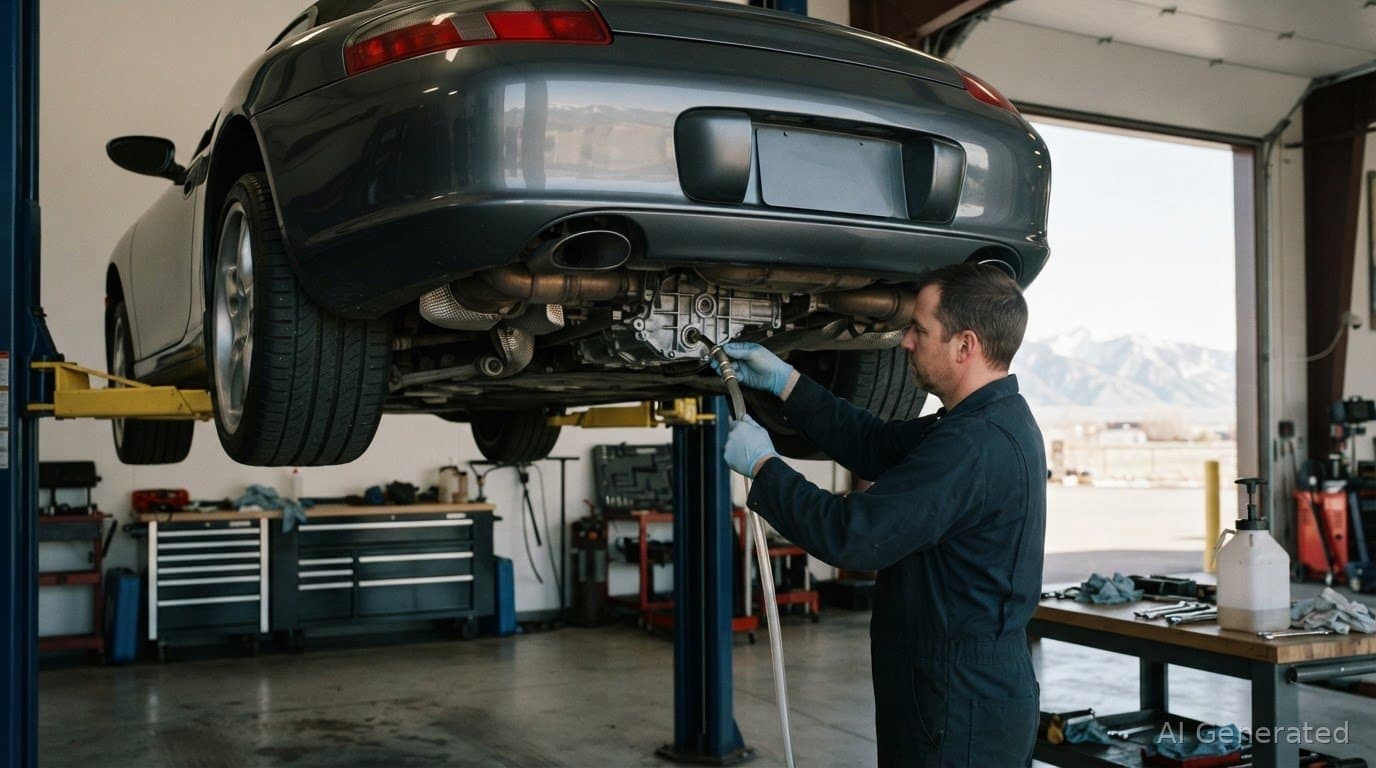
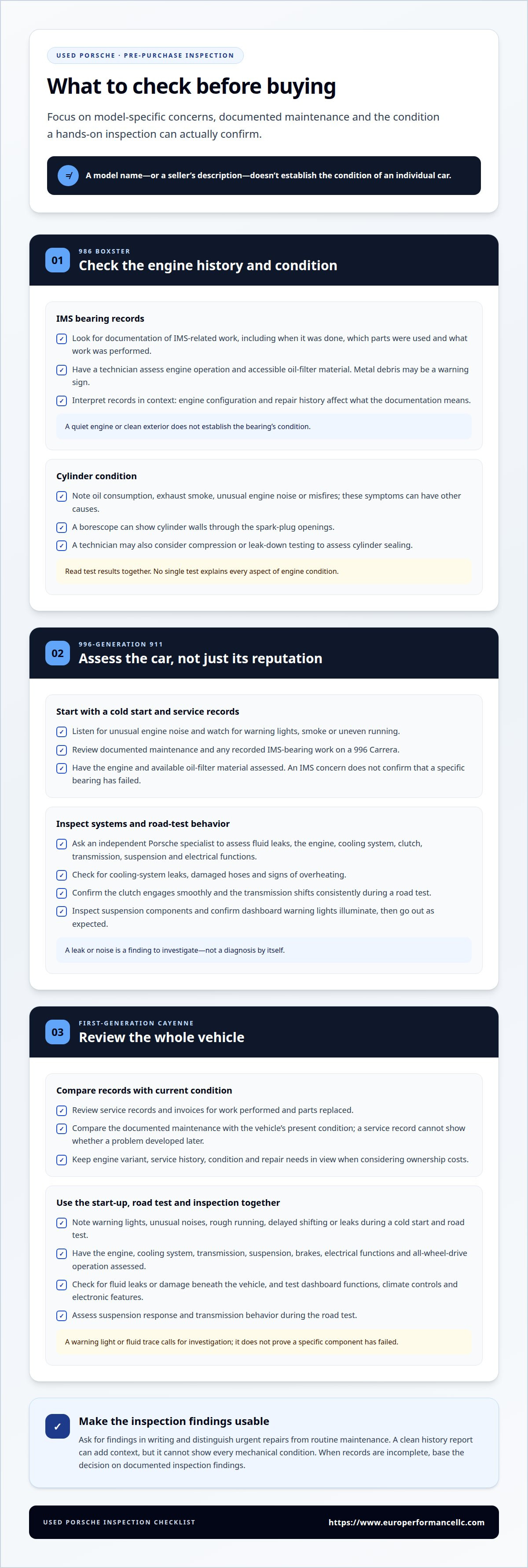
Service records matter. Look for documentation of IMS-related work, including when it was done, which parts were used, and what work was performed. Engine configuration and repair history affect how those records should be interpreted. During a pre-purchase inspection, a technician can review maintenance records, inspect accessible oil-filter material, and assess engine operation. These checks may reveal warning signs, but they can’t predict every future issue.
Cylinder concerns need a separate assessment. Cylinder-wall damage or scoring can contribute to oil consumption, exhaust smoke, unusual engine noise, or misfires. These symptoms can have other causes, so replacing parts based on symptoms alone risks missing the actual fault.
A borescope inspection can show cylinder walls through the spark-plug openings. A technician may also consider compression or leak-down testing to assess cylinder sealing. Results need to be interpreted together, since no single test explains every engine condition. For example, visible cylinder-wall damage combined with oil consumption deserves closer attention than an isolated misfire without supporting evidence.
Before buying a 986 Boxster, request a specialist inspection focused on IMS history and engine condition. A VIN lookup can provide useful background, but it doesn’t replace an independent inspection. Reviewing the records and test results helps clarify the car’s potential repair exposure. If the seller can’t provide service records, base your decision on documented inspection findings.
2. 996-Generation 911 reliability issues
The 996-generation 911 needs to be judged by its engine configuration, maintenance records, and present condition. A 996 Carrera’s history and inspection findings matter more than a broad reputation applied to every 911. The buyer’s key task is identifying deferred repairs before they become part of ownership.
Start with a cold-start inspection and a complete service-history review. Listen for unusual engine noise, watch for warning lights, and note smoke or uneven running. Ask an independent Porsche specialist to inspect for fluid leaks and assess the engine, cooling system, clutch, transmission, suspension, and electrical functions. A leak or noise is a finding to investigate, not a diagnosis by itself.
Engine condition deserves particular attention. The 996 Carrera uses an engine design associated with IMS-bearing concerns, but that concern does not establish that a specific car’s bearing has failed. Review records for documented work, then have the engine and available oil-filter material assessed. A seller’s statement that the car “runs well” cannot replace an inspection of its service history and mechanical condition.
Check the cooling system for leaks, damaged hoses, and signs of overheating. Confirm that the clutch engages smoothly and the transmission shifts consistently during a road test. Inspect suspension components for wear or damage, and confirm that dashboard warning lights illuminate and then go out as expected. Together, these findings give a clearer picture than a single test drive.
Which used Porsche models and model years are most reliable? No 996 model year or other Porsche model can be ranked as the most reliable based on its name alone. Compare the specific car’s maintenance records, configuration, inspection results, and unresolved symptoms.
Before purchase, have the inspection findings explained in writing and separate urgent repairs from routine maintenance. A clean history report can add context, but it cannot show every mechanical condition. For a 996 with incomplete records, unexplained warning lights, or engine symptoms, make a specialist inspection part of the buying decision.
3. First-generation Cayenne reliability issues
A first-generation Porsche Cayenne calls for careful budgeting because it combines luxury-vehicle systems with SUV hardware. Actual ownership costs depend on the engine variant, service history, condition, and repair needs.
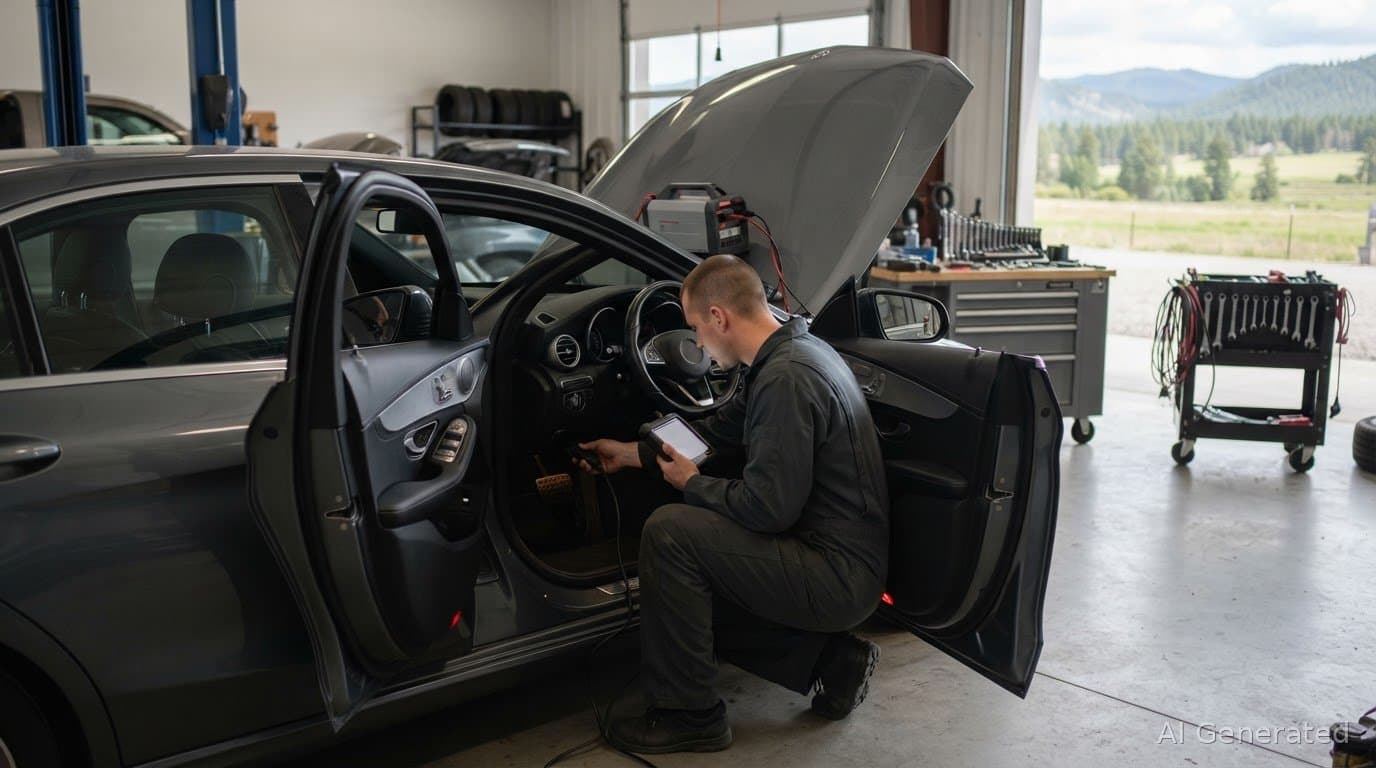
Start with the records. Confirm which maintenance and repairs are documented, then compare them with the vehicle’s current condition. Gaps matter: a service record can’t establish whether a problem developed afterward. During a cold start and road test, note warning lights, unusual noises, rough running, delayed shifting, or leaks. Each symptom needs diagnosis before it can be linked to a particular component.
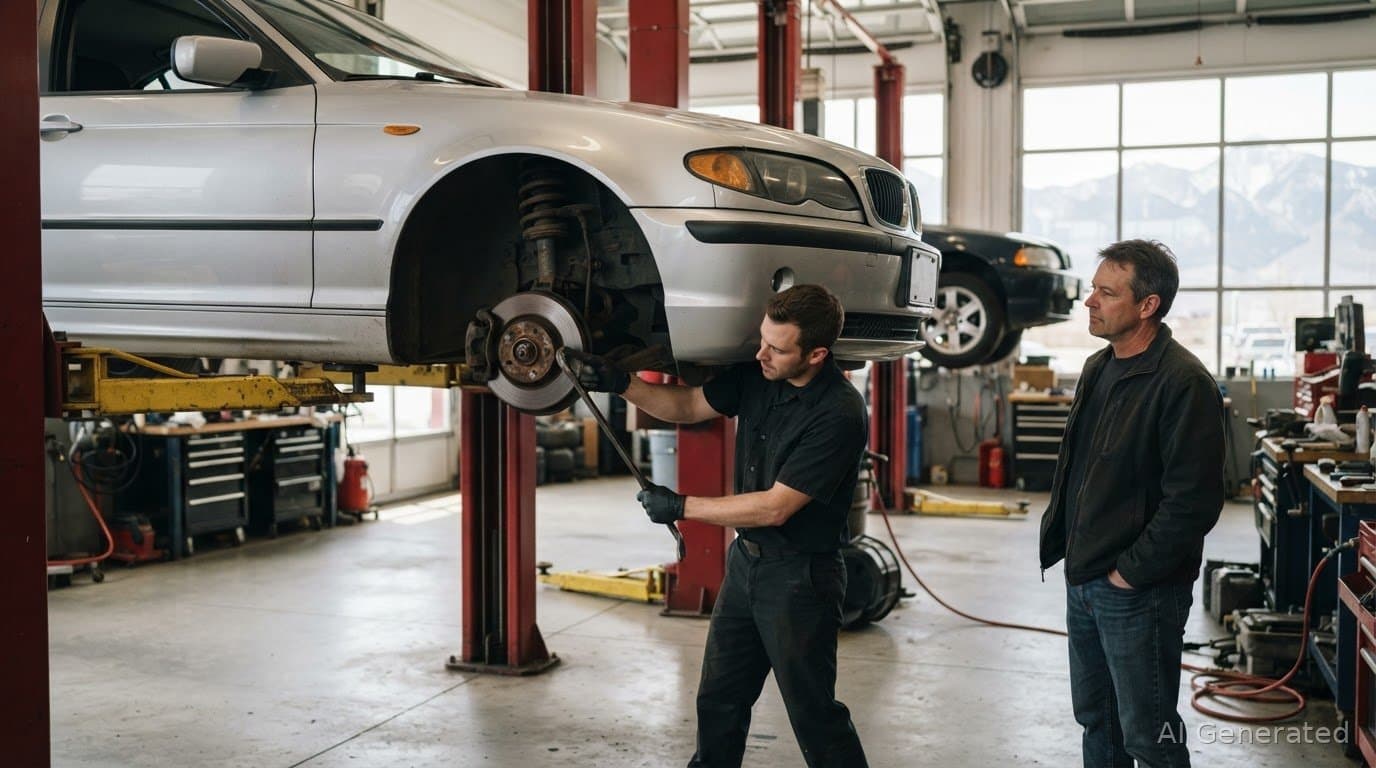
A pre-purchase inspection should assess the Cayenne as a complete vehicle, not just its engine. The technician can inspect the engine and cooling system, transmission, suspension, brakes, electrical functions, and all-wheel-drive operation. These checks help identify wear, active faults, and signs of previous repairs. A warning light or fluid trace calls for investigation, but doesn’t prove a specific failure.
- Review invoices for the work performed and parts replaced.
- Check for fluid leaks and damage beneath the vehicle.
- Test dashboard functions, climate controls, and electronic features.
- Assess suspension response and transmission behavior during a road test.
These inspection steps are especially useful when a Cayenne has incomplete records or several symptoms. For example, a warning light alongside rough running calls for diagnostic testing, not guessed parts replacement. The same applies to a leak: its location and fluid type help narrow down the cause.
Use the inspection findings to weigh the purchase. A Cayenne with clear records and no significant unresolved symptoms presents a different repair outlook from one needing attention across several systems. The specific vehicle’s condition and documented repair needs provide the most useful basis for estimating ownership costs.
4. Porsche Macan long-term maintenance costs
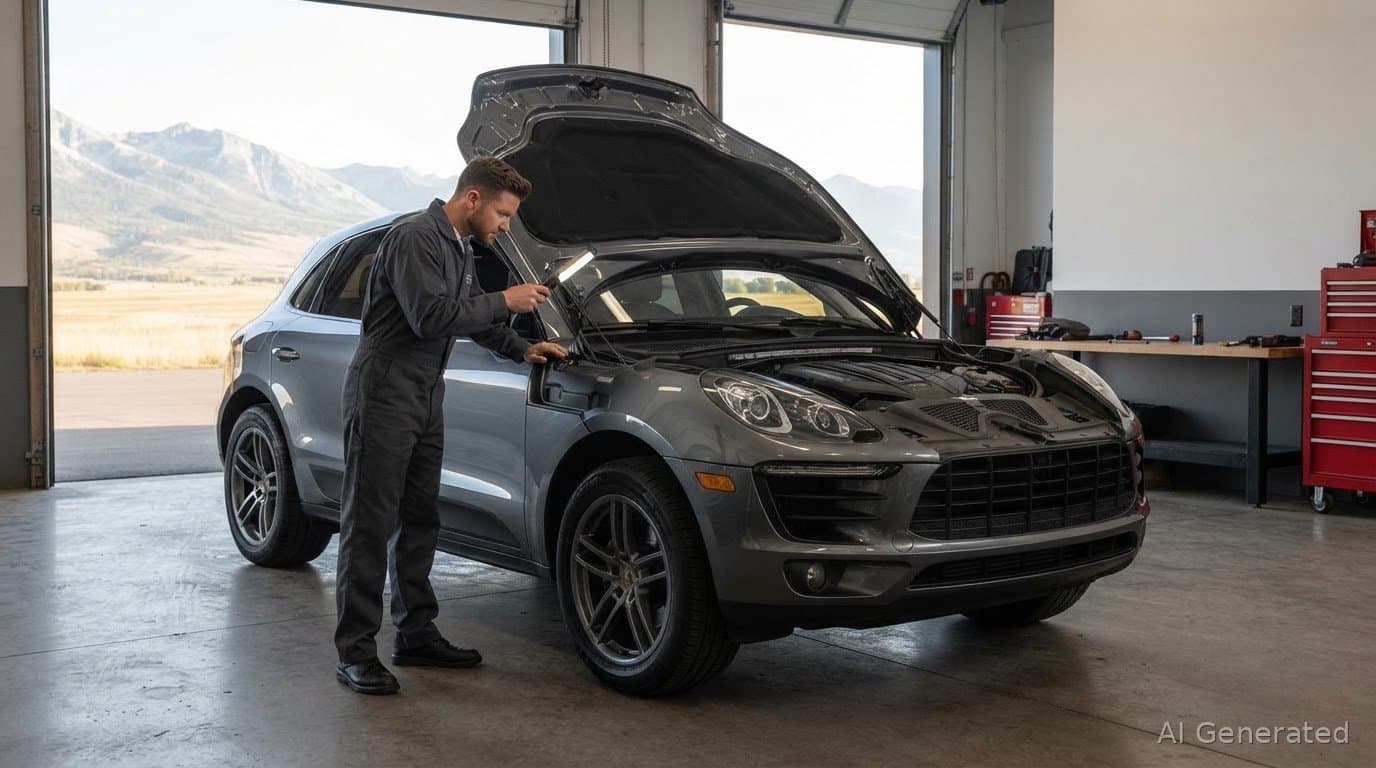
A Porsche Macan’s upkeep depends on its model year, condition, and maintenance record. These figures provide context, not a personalized forecast. The Federal Trade Commission recommends researching upkeep costs, including repair frequency and maintenance expenses, for the models you’re considering.
Compared with similar luxury sports cars, Porsche ownership costs vary by model, age, parts, labor, and repair needs. No single comparison applies to every used Porsche. For an individual Macan, maintenance records and inspection findings can show whether upcoming needs are routine or involve larger systems.
There is no single typical bill for repairs or replacement parts for every used Porsche in the United States. Costs depend on the part, engine and model year, diagnosis, labor, and any related damage. Extended-warranty pricing and eligibility also vary by vehicle and coverage terms; age, mileage, condition, and plan requirements can affect qualification.
Budget separately for insurance, fuel, tires, brakes, and routine servicing. Insurance depends on the vehicle and driver; fuel use depends on the Macan’s configuration and how it’s driven. Tire and brake needs reflect condition and use, while scheduled maintenance depends on the model year. Review each category before deciding what fits your budget.
Mileage alone doesn’t establish whether a used Porsche is a poor buy. Look for gaps in service records, repeated unresolved repairs, inconsistent mileage documentation, and warning lights. A higher-mileage Macan with documented care may present fewer unknowns than a lower-mileage car with missing records.
To review a Porsche’s history, use its VIN to obtain an available history report, check title and accident records, and review recall status through an official recall lookup. Compare the report with invoices and inspection findings. A VIN lookup doesn’t replace an independent inspection.
The Porsche 914 requires a different assessment from the Macan. Rust deserves close attention: inspect the body and structural areas for corrosion, repairs, or concealed damage, since appearance alone may not reveal its extent.
European Auto Repair in Belgrade, MT | Euro Performance
European Auto Repair in Belgrade, MT | Euro Performance helps Porsche owners understand repair concerns through specialized European auto repair and accurate diagnosis. If you already own a Boxster, 911, Cayenne, or Macan and notice a warning light, leak, unusual noise, or changing performance, professional assessment can help identify the cause before you plan repairs.
Factory scheduled maintenance and routine maintenance help address service needs based on the vehicle’s model and condition. Clear diagnostic findings can help distinguish immediate repair concerns from upcoming maintenance when assessing the car’s overall costs.
If a Porsche issue needs diagnosis or maintenance, contact Euro Performance to discuss the next step.
Make the Next Step a Clear One
Deciding whether this used Porsche will be a money pit takes more than weighing its asking price or reputation. Turn the car’s records, symptoms, and inspection findings into a practical ownership plan. That can help you decide what needs attention now, what can be scheduled later, and whether the vehicle fits your budget and expectations.
If you already own the Porsche, keep a record of maintenance and repairs as the car’s condition changes. If you’re considering a purchase, use professional findings to guide your decision rather than relying on a seller’s description or a clean history report alone. No inspection can predict every future repair, but a careful assessment gives you a stronger basis for choosing.
For help evaluating a Porsche’s maintenance or repair needs, contact Euro Performance. A well-informed decision can make Porsche ownership more manageable and give you a clearer path forward.
Frequently Asked Questions
Which used Porsche models and model years are most reliable?
No model or model year can be ranked as most reliable by name alone. Compare the specific car’s maintenance records, configuration, inspection results, and unresolved symptoms.
How do used Porsche ownership costs compare with similar luxury sports cars?
Porsche ownership costs vary by model, age, parts, labor, and repair needs, so no single comparison applies to every used Porsche. Research the upkeep costs of the models you’re considering, including repair frequency and maintenance expenses.